
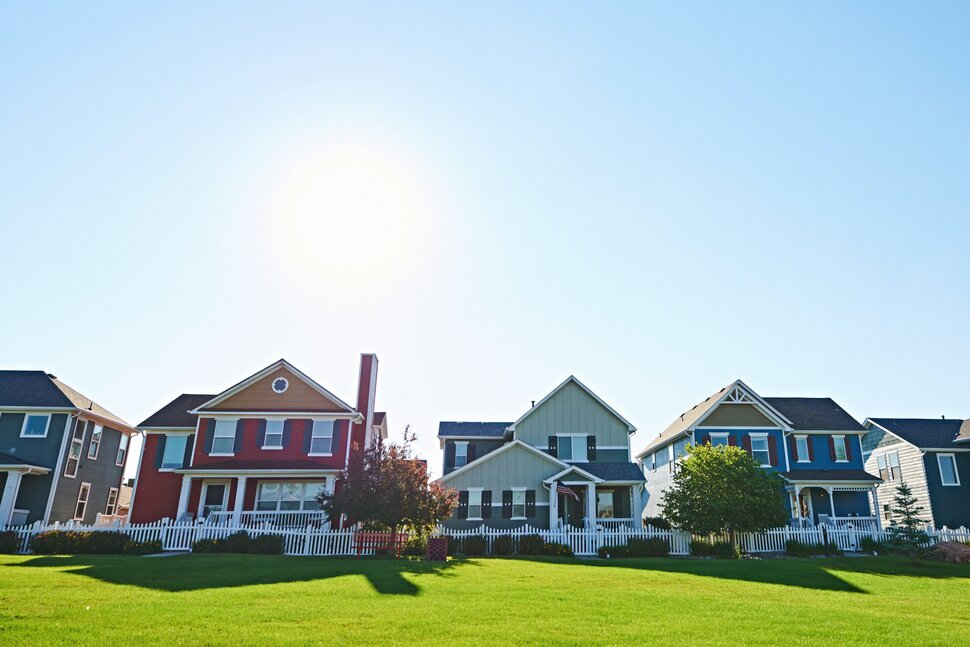
Buying property is one of the biggest financial decisions most people make. While many buyers focus on the size of a house or its current market price, experienced investors often pay closer attention to the neighborhood itself. Communities rarely become valuable overnight. Instead, they show subtle signs of improvement long before property prices begin to climb. Recognizing these early signals can help buyers invest in areas with strong growth potential and better long term returns.
A neighborhood’s infrastructure, amenities, safety, and community engagement all contribute to future property appreciation. Understanding these indicators allows buyers to make informed decisions before demand pushes prices significantly higher. Research consistently shows that factors such as accessibility, public amenities, and planned developments have a measurable impact on property values.
Infrastructure Improvements
One of the strongest indicators of future property appreciation is investment in public infrastructure. New roads, bridges, transit stations, bike lanes, and utility upgrades improve accessibility and attract both residents and businesses.
Local governments typically prioritize infrastructure in areas expected to experience economic growth. As transportation becomes more convenient, commuting times decrease, making the neighborhood more attractive to families and professionals.
Many property buyers also use online resources such as https://www.bhulekhuttarakhand.net to review land related information and better understand property records before making investment decisions.
Digital Access to Public Services
Modern neighborhoods increasingly benefit from digital governance and online public services. Residents appreciate communities where essential administrative tasks are easier to complete through technology.
For example, services related to mahabocw mobile number change online demonstrate how governments continue improving digital accessibility, reflecting a broader shift toward efficient public administration that often accompanies urban development.
Growing Local Businesses
The arrival of new cafes, grocery stores, restaurants, fitness centers, and retail outlets often reflects increasing consumer demand. Businesses carefully study population trends before opening new locations, making commercial investment a valuable signal for future residential demand.
When local shopping options expand, residents enjoy greater convenience while new visitors become familiar with the neighborhood. Over time, this increased activity contributes to stronger housing demand and rising property values. Planned commercial growth is often associated with appreciating neighborhoods.
Better Schools and Community Facilities
Families consistently prioritize access to quality education and community services. Improvements in public schools, libraries, healthcare facilities, sports complexes, and recreational parks increase an area’s appeal.
A well maintained neighborhood with clean public spaces encourages long term residency, reducing turnover and supporting stable property appreciation. Research also highlights the positive relationship between nearby services and higher property values.
Attractive Public Spaces
Green spaces, walking trails, playgrounds, and landscaped streets create neighborhoods where people enjoy spending time outdoors. Attractive public areas improve quality of life while encouraging healthier lifestyles and stronger community interaction.
Well maintained landscaping also enhances curb appeal across entire neighborhoods rather than just individual homes. Buyers are generally willing to pay more for homes located near parks and attractive outdoor environments because these amenities remain valuable over time.
Signs of Active Community Engagement
Strong neighborhoods are built by active residents. Community events, neighborhood associations, volunteer programs, and local improvement initiatives create safer, cleaner, and more welcoming environments.
Low levels of vandalism, well maintained homes, and active neighborhood participation indicate that residents take pride in their community. These qualities often attract additional buyers, creating steady demand for housing.
Even administrative systems such as manav sampada aadesh reflect the increasing importance of organized digital public management, supporting efficient governance that benefits growing communities.
Future Development Plans
Savvy investors often review municipal development plans before purchasing property. Proposed schools, business districts, transportation projects, hospitals, and entertainment facilities frequently stimulate future demand.
Construction activity alone does not guarantee higher property values, but carefully planned development supported by public investment usually creates long term economic opportunities. Monitoring zoning changes and approved construction projects can provide valuable insights into future neighborhood growth.
Access to Reliable Property Information
Property research should always include verifying land ownership, legal records, and historical information. Accurate documentation reduces investment risk while improving buyer confidence.
Resources related to bihar bhumi jankari illustrate the growing availability of digital land record systems that help buyers verify important property information before making major financial commitments.
Conclusion
Property prices rarely increase without warning. Neighborhoods usually display clear signals months or even years before significant appreciation occurs. Infrastructure improvements, expanding businesses, quality schools, attractive public spaces, active communities, and future development projects all indicate growing demand. Rather than focusing solely on current property prices, successful buyers evaluate the broader environment surrounding a home. By recognizing these neighborhood signals early and conducting thorough research, investors can identify promising opportunities before prices rise, making smarter real estate decisions that generate long term value.
