
Cheap homes can feel like a shortcut until the first repair bid lands on the kitchen table. In Huntington, the distressed market story is not fantasy: prices sit far below many U.S. metros, rents still exist, and buyers can find houses that look impossible in higher-cost states. But the reason those deals exist matters. A low purchase price in this city often comes tied to lower household income, older housing, uneven block conditions, and a slower growth path than investors may expect. Huntington’s median owner-occupied home value was $127,200 in recent Census data, while median gross rent was $912, which explains why out-of-state buyers keep looking at the city through regional housing coverage and small-market investment chatter. The better question is not whether Huntington is cheap. It is whether the numbers survive repairs, vacancy, tenant fit, resale limits, and the patience needed in a weaker-demand city. For anyone studying Huntington real estate, the smartest first move is caution, not excitement. The U.S. Census Bureau QuickFacts gives a useful starting point for that reality.
Why the Distressed Market Price Tag Can Mislead Buyers
Huntington’s price point is the hook, but price alone tells the least useful part of the story. A house listed at a number that looks tiny beside Columbus, Charlotte, Nashville, or Pittsburgh can still be expensive once you add roof life, electrical work, water intrusion, code issues, insurance, and tenant turnover. The gap between cheap and sound is where investors either win or get worn down.
Low Entry Prices Do Not Mean Easy Equity
The city’s affordability is plain on paper. Zillow reported a typical Huntington home value of $144,412 through May 2026, with a median sale price of $145,483 and median list price of $156,300 around the same period. That is far below the national feel of home shopping, where many buyers have grown used to numbers that start with a three, four, or five.
Here is the catch. A $95,000 house that needs $45,000 in work is not a $95,000 deal. It is a project with a timeline, a contractor problem, and a resale question. A buyer from a higher-cost state may see a low price and assume instant equity. A buyer who walks the basement after rain may see the truth faster.
The non-obvious part is that a lower price can reduce your margin for error. In a hot metro, a mistake can sometimes get buried by rising values. In Huntington real estate, a bad scope of work can sit on your balance sheet for years. That makes inspection quality more valuable than negotiation theater.
Rent Demand Is Real, but It Splits by Household Need
Huntington is not empty. The rental side has pressure in specific bands. A regional housing study discussed by the Huntington Regional Chamber pointed to 97.3% occupancy across surveyed multifamily units, long waits for subsidized rentals, and demand for homes priced below $200,000.
That sounds like a green light, but it is more selective than it first appears. Demand for clean, safe, well-priced housing does not mean every rental will fill at the rent you need. A tired unit with poor heat, bad stairs, and weak parking may sit, even if the broader affordable housing market looks tight.
Think of a nurse aide working near the hospital, a Marshall student sharing rent, or a retiree needing fewer steps. Each renter reads the same property differently. The winning unit is not always the biggest one. It is the one that fits a real household without asking that household to forgive too much.
The Jobs Base Creates a Floor, Not a Safety Net
Huntington has anchors that many small cities would like to have. Health care, education, government, and transportation all help keep people tied to the region. Still, an anchor is not the same as a fast engine. It can slow the fall. It does not promise a climb.
Health Care and Education Keep People Anchored
The area’s economy has a real base. The Huntington Regional Chamber describes major industries that include health care, education, manufacturing, and transportation, with Cabell Huntington Hospital, St. Mary’s Medical Center, and Marshall University’s medical presence all shaping the region.
BLS data also shows education and health services as one of the larger payroll sectors in the Huntington area, with 34.7 thousand jobs in April 2026 and growth over the prior year. That matters because medical and education jobs create repeat housing need across income levels, from students and residents to technicians, faculty, nurses, and support staff.
The mistake is assuming these anchors fix every block. They do not. A hospital worker may need housing, but that worker still cares about parking, school fit, safety, commute, and whether the unit feels cared for. Local employment supports demand, but it does not erase property-level weakness.
Shrinking Population Changes the Math
The risk side starts with people. Census estimates put Huntington at 44,815 residents in July 2025, down 4.4% from the April 2020 estimate base. A city can still offer good deals while losing population, but the math changes. Fewer people means less room for sloppy buying.
This is where a risky property investment gets exposed. If you buy in a place with shrinking demand, your exit plan matters more than your entry price. You may rent the home, but can you sell it later to another landlord, an owner-occupant, or a first-time buyer using financing? If the answer depends on hope, the deal is thin.
The counterintuitive lesson is that stable jobs and lower population can exist together. Huntington can have hospitals, colleges, and renters while still punishing weak locations. That mixed picture is why broad claims about the city fail. You have to read the neighborhood, not the slogan.
Property Condition Is Where the Cheap Price Gets Expensive
The lowest-priced homes often carry the loudest hidden costs. Huntington’s older housing stock can work for careful buyers, but it does not forgive lazy math. The buyer who treats repairs as an afterthought usually becomes the seller who takes the loss.
Older Homes Can Turn a Bargain Into a Repair Ledger
Census data shows the median monthly owner cost with a mortgage at $1,198 and without a mortgage at $459, which points to the monthly affordability that pulls buyers in. But those numbers do not include the shock of a sewer line, knob-and-tube concerns, failing retaining walls, or a furnace that quits in January.
A common Huntington example is the frame house with decent rent potential, a tired roof, and cosmetic damage that looks manageable online. The photos show hardwood floors and a porch. The walk-through shows sloped floors, an aging panel, and moisture near the foundation. Same house. Different truth.
This is why rental property due diligence checklist work should happen before you fall in love with the price. Call contractors early. Price permits. Ask about insurance. Walk the alley. Look at the houses beside it. A cheap house surrounded by neglect can become a full-time job.
Blight Is Not Random, and Neither Is Resale Risk
Huntington has dealt with blight and vacancy for years. A West Virginia University BAD Buildings write-up described how tax-sale speculation contributed to abandoned properties, with some buyers collecting interest while leaving properties to deteriorate. The city’s land bank effort came from that pressure.
That history matters for buyers because blight rarely spreads evenly. One block can have homeowners, maintained porches, and steady rental demand. A nearby block can have dumping, boarded windows, and weak resale. The distance may be only a few turns.
The non-obvious move is to study pride of ownership more than listing price. Fresh paint on neighboring homes, trimmed yards, working porch lights, and cars that move daily can tell you more than a spreadsheet. In a lower-cost city, the block often carries more weight than the bedroom count.
The Best Plays Are Patient, Narrow, and Street-Level
Huntington rewards buyers who know what they are buying and why. It punishes those who arrive with a broad “cheap market” thesis. The best deals are not always the lowest-priced homes. They are the homes where the tenant base, repair load, rent, and exit path all make sense in the same plan.
Block-by-Block Buying Beats Citywide Optimism
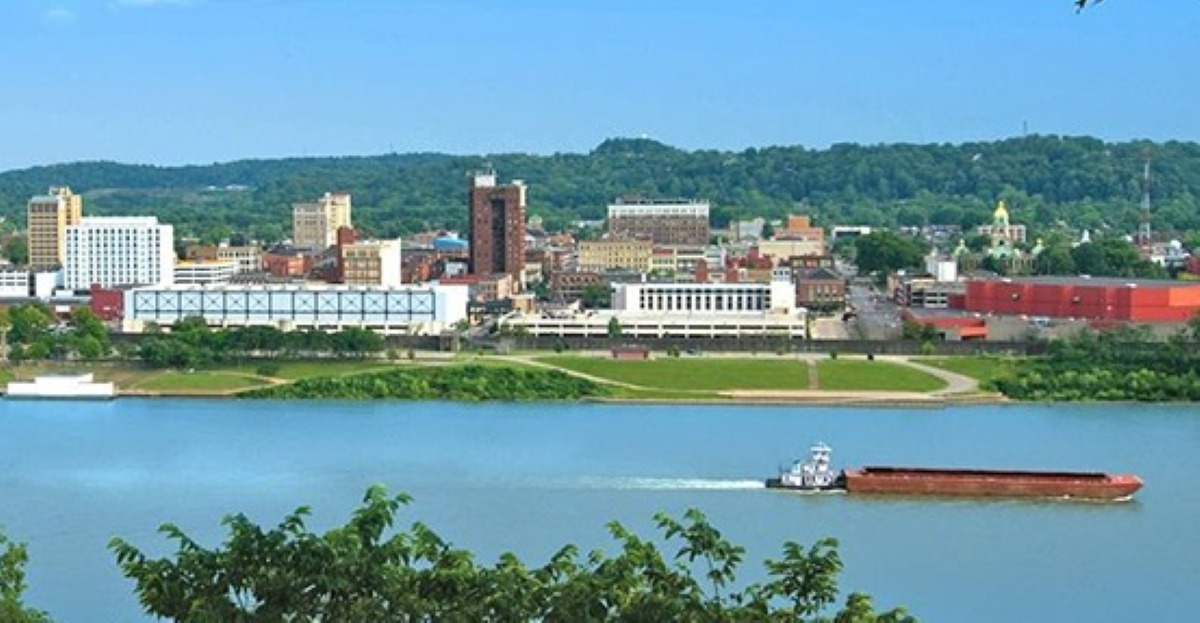
Huntington sits along the Ohio River at the tri-state meeting point of West Virginia, Ohio, and Kentucky, and the city promotes its educational, cultural, and river-port role. That regional position gives it more depth than a small dot on a map.
Still, citywide optimism is too blunt. A buyer looking near Ritter Park, Marshall, hospital corridors, or more stable residential pockets is playing a different game than someone chasing the lowest auction price with no block filter. The same rent estimate can be sensible in one pocket and foolish in another.
Use a local test before you buy. Would a working household choose this street if two similar rentals were available nearby? Would an owner-occupant finance this house after your rehab? Would a property manager take it without warning you first? If those answers wobble, slow down.
Cash Flow Works Only When Reserves Come First
Huntington can produce cash flow, but only for buyers who treat reserves as part of the purchase price. A 12% paper return means little if the first year brings a roof patch, vacancy, eviction filing, and a stolen condenser. Small numbers can still hurt.
A safer model starts with a reserve list:
- Six months of debt service and taxes.
- A repair fund before tenant move-in.
- Insurance quotes before closing.
- A vacancy plan based on the exact unit type.
- A resale plan that does not require a perfect buyer.
That may sound conservative, but it is how a risky property investment becomes survivable. The affordable housing market in Huntington needs better units, not more careless owners. If you bring patient capital and fix real housing problems, the city can make sense. If you bring thin cash and big assumptions, it can teach fast.
For more planning depth, connect this city-level review with a small-city real estate investment guide before choosing a property type.
Conclusion
Huntington is not a simple bargain story. It is a test of judgment. The homes can be cheap, the rents can be real, and the need for decent housing is not imaginary. But the city asks more from buyers than the price tag suggests. You have to read income, population, block quality, repair cost, and tenant fit together.
The distressed market label fits only when you remember both halves of it: discount and danger. Huntington’s best opportunities belong to people who can improve housing without depending on fast appreciation to save the deal. That means buying fewer homes, studying streets harder, and walking away more often than excited investors want to admit.
Treat affordability as an opening question, not an answer. If the property works after honest repairs, reserves, rent checks, and a plain exit plan, it may deserve your attention. If it only works in a best-case spreadsheet, leave it alone. In Huntington, patience is not cautious. It is the edge.
Frequently Asked Questions
Is Huntington WV a good place to buy rental property?
It can work for buyers who understand repairs, tenant demand, and street-level differences. The city has low prices and real rental need, but weak blocks and older homes can erase profit. Strong due diligence matters more here than in faster-growth markets.
How cheap are homes in Huntington West Virginia?
Recent market and Census data show home values far below many U.S. metros. Buyers can still find lower-priced homes, but the cheapest listings often need major work. Purchase price should be judged beside repair cost, insurance, taxes, and resale demand.
What makes Huntington real estate risky for investors?
Risk comes from population decline, poverty, older housing, block-by-block quality swings, and limited resale depth in weaker areas. A deal may look strong online, then fail after inspection, contractor pricing, or vacancy reality enters the numbers.
Is there rental demand in Huntington WV?
Yes, but it is not equal across every unit. Clean, safe, well-located rentals can attract demand, especially near jobs, schools, and services. Poorly maintained homes or weak locations may struggle even when the broader rental need looks strong.
What neighborhoods should investors study first in Huntington?
Start with areas near stable demand drivers, then compare block conditions by walking the street. Look for maintained homes, working lights, low vacancy, parking, and easy access to jobs or school. Do not buy from a neighborhood name alone.
Can out-of-state buyers succeed in Huntington?
They can, but only with reliable local help. A strong property manager, inspector, contractor, and real estate agent are necessary. Remote buyers who depend on listing photos or simple rent estimates face a much greater chance of costly mistakes.
What repairs should buyers watch for in older Huntington homes?
Roof age, foundation moisture, electrical panels, plumbing, HVAC, sewer lines, windows, drainage, and retaining walls deserve close review. Small cosmetic issues are easy to price. Structural, water, and system problems can change the whole deal.
What is the safest strategy for investing in Huntington WV?
Buy fewer properties, choose stronger blocks, keep repair reserves, and avoid homes that need perfect rent or fast appreciation. The safest plan is boring on purpose: clean housing, fair rent, careful tenant screening, and enough cash to survive surprises.
