
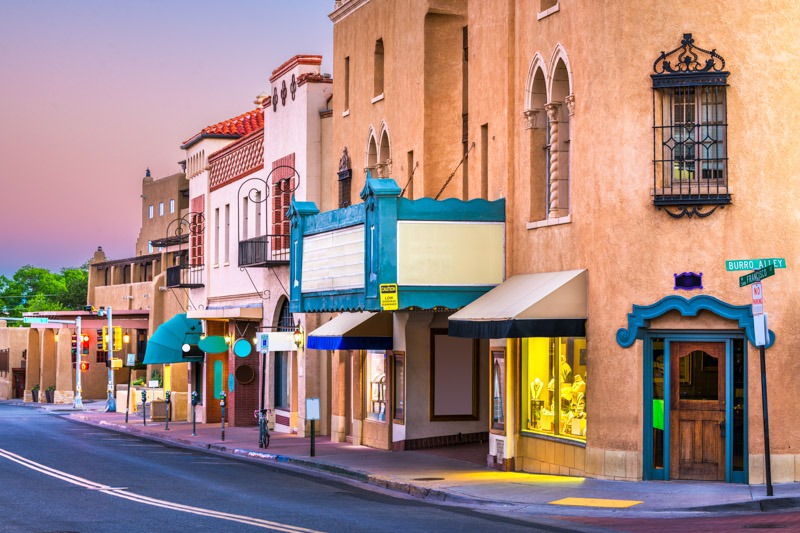
Some cities sell square footage. Santa Fe sells a feeling, and wealthy buyers know the difference. The second home market here is shaped by adobe walls, gallery walks, opera nights, desert light, and a slower kind of status that does not need to shout. Buyers from Texas, California, Colorado, Arizona, and the East Coast are not only shopping for a pretty retreat. They are buying a place that can hold art, host friends, support long weekends, and feel tied to something older than a resort brochure. That is why Santa Fe keeps pulling interest even when higher rates make other vacation markets wobble.
For readers tracking regional property investment trends, Santa Fe deserves a close look because its luxury demand is not tied to one season or one amenity. Ski access helps. Sunshine helps. Dining helps. Yet culture is the engine. Santa Fe luxury homes often compete on setting, history, privacy, and proximity to art, not on square footage alone. That mix gives the city a rare edge among U.S. lifestyle markets.
Why Santa Fe’s Second Home Market Moves Differently From Resort Towns
A normal vacation town often rises and falls with one main draw. Beach towns depend on water. Ski towns depend on snow. Golf communities depend on course access and club status. Santa Fe is different because the draw is layered. A buyer may arrive for Indian Market, come back for Canyon Road, stay for the opera, and then decide the house should become part of the family’s yearly rhythm.
Culture Turns a Visit Into a Repeat Ritual
The strongest luxury markets create habits. Santa Fe does that without feeling planned. A couple might fly in for a September art opening, stay at a historic inn near the Plaza, spend a morning at Museum Hill, and end the weekend walking through an adobe home with carved doors and mountain views. The purchase starts to feel less like a splurge and more like a yearly base camp.
That is the quiet power of art tourism in Santa Fe. It gives buyers reasons to return outside the normal summer window. A gallery week, a food festival, a studio tour, or a winter trip after fresh snow can all support the same home. Many vacation markets need high season to defend their prices. Santa Fe gets several smaller peaks, and that can soften the risk for owners who use the property often.
The non-obvious part is that culture can be stickier than weather. A sunny climate is easy to compare on a spreadsheet. A trusted gallery owner, a favorite chile spot, or a seat at Santa Fe Opera is harder to replace. Once buyers build personal ties to the city, they stop comparing it to every desert town with good sunsets.
Luxury Buyers Pay for Texture, Not Size Alone
A large new build in a generic suburb can look rich and still feel empty. Santa Fe buyers tend to notice different things. Thick plaster walls. Hand-carved gates. Kiva fireplaces. Courtyards that hold shade in the afternoon. A dining room where a painting bought on Canyon Road feels at home. The house has to carry the mood of the city.
That is why Santa Fe luxury homes often reward design restraint. Flash can work against a property if it ignores the local setting. A buyer who would chase glass walls in Miami may want earthen tones and old wood here. The design language changes because the reason for owning changes.
New Mexico second homes in Santa Fe also attract people who already own primary homes in large metros. They are not always trying to escape work. They are trying to step into a sharper sense of place. A home that feels rooted can beat a larger property that feels copied from somewhere else. In Santa Fe, character is not decoration. It is part of the asset.
Art and Culture Tourism Keeps Demand Broader Than Weekend Escapes
Santa Fe has the rare gift of being small enough to feel personal and known enough to matter. That balance draws serious collectors, casual art lovers, retired executives, writers, designers, and families who want their children to grow up with cultural exposure during school breaks. The city does not need to act like a mass resort. Its pull is narrower, but often stronger.
Canyon Road Creates a Walkable Luxury Anchor
Canyon Road is not a side attraction. It is one of the reasons the upper end of the housing story works. A buyer can walk past galleries, sculpture gardens, low adobe walls, and quiet courtyards in a single afternoon. The setting teaches the buyer how to imagine living there. That matters more than a glossy listing description.
This is where art tourism in Santa Fe becomes a real estate force. Visitors do not only admire paintings and leave. They picture dinner after an opening, friends in the guest room, coffee before a gallery appointment, and a home close enough to make the whole weekend feel effortless. Demand forms in those small imagined routines.
There is also a filter at work. Santa Fe does not appeal to everyone, and that helps protect its identity. The buyer who wants loud nightlife and a new beach club may leave unimpressed. The buyer who wants craft, quiet wealth, and a cultural calendar may lean in fast. In luxury real estate, the best demand is not always the widest demand. It is demand from people who know why they are there.
Festivals and Museums Stretch the Ownership Calendar
The Santa Fe calendar gives owners reasons to return through the year. Summer brings major markets and outdoor evenings. Winter brings ski days and fireplace nights. Spring and fall bring lighter crowds, better walking weather, and a softer pace. That spread matters because a second property feels easier to defend when it earns use in more than one season.
A real example is the collector who plans visits around art events rather than school vacations. That buyer may care less about rental income and more about storage, wall space, light control, and the route from the home to the Plaza. Another buyer may want a guest casita for family visiting during summer markets. These choices shape which homes rise to the top.
The counterintuitive insight is that cultural tourism can make owners less dependent on renting. Many buyers in Santa Fe are not trying to turn every unused week into cash. Some want privacy, control, and a property that is ready when they arrive. That can reduce turnover stress and keep the higher end less exposed to short-term rental mood swings.
What Wealthy Buyers Actually Want in Santa Fe Homes
The strongest Santa Fe properties do more than look attractive online. They solve the real issues of second ownership: ease, privacy, climate comfort, maintenance, storage, guest flow, and trust. A beautiful home that is hard to manage from another state can lose buyers fast. The city rewards charm, but charm still has to work.
Location Means More Than Being Near the Plaza
The Plaza matters, but it is not the whole story. Some buyers want Eastside lanes and old adobe character. Some prefer foothill views and space. Others want a gated feel near the north side or quick access to trails. The best location depends on how the owner plans to live, not on a single map pin.
Santa Fe luxury homes near cultural districts can appeal to buyers who want walkability and low-friction weekends. A couple arriving Friday evening may want dinner, galleries, and a morning coffee walk without driving. Another buyer may choose a quieter hillside home because privacy matters more than foot access. Both can be right.
This is where a vacation home buying checklist should go beyond price and bedrooms. Ask how the home behaves when you are not there. Who checks heat during a freeze? Where does art ship and store? Can guests stay without crowding the main suite? Does the outdoor space work during strong sun? Good homes answer these questions before the buyer asks.
Adobe Character Has to Meet Modern Comfort
Buyers love the romance of Santa Fe architecture, but they still expect the house to function. Radiant heat, updated kitchens, good windows, strong internet, and sensible lighting can decide a sale. The best properties respect local style without making owners feel trapped in a museum.
That balance is not simple. Too much renovation can erase the soul of the home. Too little can make ownership tiring. A kiva fireplace looks lovely, but buyers also want clean mechanical systems and a kitchen that can handle guests after a gallery opening. In this market, taste and upkeep carry equal weight.
New Mexico second homes also face climate realities that buyers from coastal states may not know. High-desert sun, dry air, winter temperature swings, and stucco care all shape long-term costs. The surprise is that low humidity does not mean low maintenance. It means different maintenance. Smart buyers price that in before they fall for the view.
Risks, Rules, and Long-Term Value Buyers Should Weigh
Santa Fe may look dreamy, but a strong purchase still needs clear eyes. Luxury buyers can overpay when they treat the city like a mood board. The better move is to respect the romance while checking the math, the rules, and the street-by-street differences. The market has real strength, yet it is not one smooth surface.
Short-Term Rental Rules Change the Ownership Math
Some buyers assume a second home can cover costs through vacation rentals. In Santa Fe, that assumption needs a careful review. City rules, permit limits, neighborhood standards, and local sentiment can shape what is allowed. A home that looks perfect for rental income may not fit the permit path a buyer expected.
That does not kill the case for ownership. It changes the case. A buyer who needs steady rental revenue should study the rules before making an offer. A buyer who mainly wants private use may care less. The mistake is mixing those two goals and hoping the property can satisfy both without tradeoffs.
This is also where Santa Fe differs from looser vacation markets. Rules can protect neighborhood character, which supports the reason many buyers came in the first place. The same limits that frustrate income-focused owners may help preserve the calm streets, local texture, and low-key charm that support long-term appeal.
Price Strength Does Not Remove Buyer Discipline
Luxury demand in Santa Fe has gained attention, but attention can make buyers sloppy. A strong market is not a permission slip to ignore condition, siting, water issues, old systems, or resale depth. The best buyers stay emotional enough to choose well and disciplined enough to walk away.
A concrete example: two homes may sit in the same price band, but one has protected views, proper guest separation, and tasteful updates, while the other has a bigger footprint and a weaker setting. The bigger house may photograph well. The better house may hold value better because it fits the way Santa Fe owners live.
The non-obvious point is that scarcity cuts both ways. Limited supply can support prices, but it can also tempt buyers into accepting flaws they would reject elsewhere. Patience matters. So does local advice. Santa Fe is not a market where a national luxury lens tells the whole story.
Conclusion
Santa Fe is not chasing the same luxury buyer as Scottsdale, Aspen, Palm Springs, or the Hamptons. Its appeal is quieter, older, and harder to fake. The city works because culture is not a weekend accessory there. It is part of daily life, from gallery doors and museum rooms to market mornings and adobe courtyards glowing at dusk.
That is why the second home market has a stronger story than simple vacation demand. Buyers are not only choosing a place to rest. They are choosing a place that can add rhythm, taste, and memory to their year. The smartest ones will still check rules, maintenance, and resale basics with care. Romance should open the door, not run the purchase.
For buyers who want a home with identity, Santa Fe remains one of the few American luxury markets where art, architecture, and place still speak louder than status. Choose the house that lets the city do its work.
Frequently Asked Questions
Is Santa Fe a good place to buy a luxury vacation home?
Yes, for buyers who value culture, architecture, privacy, and year-round use. Santa Fe works best for owners who plan to visit often, not only chase rental income. The city’s art scene and high-desert setting give it a stronger identity than many seasonal resort towns.
What areas of Santa Fe are popular with high-end second-home buyers?
Many buyers look at the Historic Eastside, areas near Canyon Road, foothill neighborhoods, and private view properties outside the busiest core. The right area depends on whether you want walkability, privacy, land, views, or fast access to galleries and restaurants.
How does Santa Fe’s art scene affect home prices?
The art scene supports demand by giving buyers repeat reasons to visit and build personal ties to the city. Galleries, museums, markets, and cultural events make ownership feel tied to a lifestyle, not only a property. That can support interest in well-located homes.
Are Santa Fe vacation rentals easy to operate?
They can be profitable in the right setup, but they are not automatic. City and county rules, permit limits, location, parking, neighbors, and management costs all matter. Buyers should confirm legal use before counting rental income in their budget.
What should buyers inspect before purchasing an adobe-style home?
Focus on roof condition, drainage, stucco care, heating systems, windows, plumbing, and signs of moisture damage. Adobe-style homes can be wonderful, but they need proper upkeep. A local inspector who understands Santa Fe construction is worth hiring.
Why do out-of-state buyers choose Santa Fe over larger resort cities?
Many choose Santa Fe because it feels personal, artistic, and less showy. They want culture, food, mountain air, historic design, and a slower pace. The city offers luxury without the same social noise found in some better-known resort markets.
Do New Mexico second homes hold value well in Santa Fe?
Well-chosen properties can hold strong appeal, especially homes with views, authentic design, good maintenance, and access to cultural districts. Value still depends on price discipline, local inventory, rules, and condition. Buyers should avoid paying a premium for weak siting.
What is the biggest mistake luxury buyers make in Santa Fe?
The biggest mistake is buying the mood without checking the mechanics. A beautiful courtyard or mountain view can hide repair costs, permit limits, or awkward layouts. The best purchase balances emotion with local due diligence.
